

Imagine settling down after a long day to watch your favourite shows. With united kingdom iptv, you open an app on your Smart TV instead of searching through endless channels. This internet-based television lets you watch live events, enjoy on-demand entertainment, and use catch-up services in one place.
In this guide, you will learn how to navigate IPTV in the UK. We will help you compare plans, understand connection limits, and choose compatible apps for your devices. For united kingdom iptv, these tips can improve your viewing experience.
Service quality can vary greatly between providers. Your provider, content rights, and broadband connection all play important roles. When using united kingdom iptv, protect your data with strong passwords, trustworthy payment methods, and VPNs where necessary.
If you are new to IPTV, our simple checklist will guide your comparison. Get ready to explore the exciting world of IPTV.
Key Takeaways
- Understand the benefits of internet-based television.
- Learn how to compare different IPTV plans effectively.
- Explore compatible apps and devices for seamless streaming.
- Prioritise security with strong passwords and VPN usage.
- Recognise the importance of provider reliability and content rights.
1. Understanding United Kingdom IPTV and How It Works
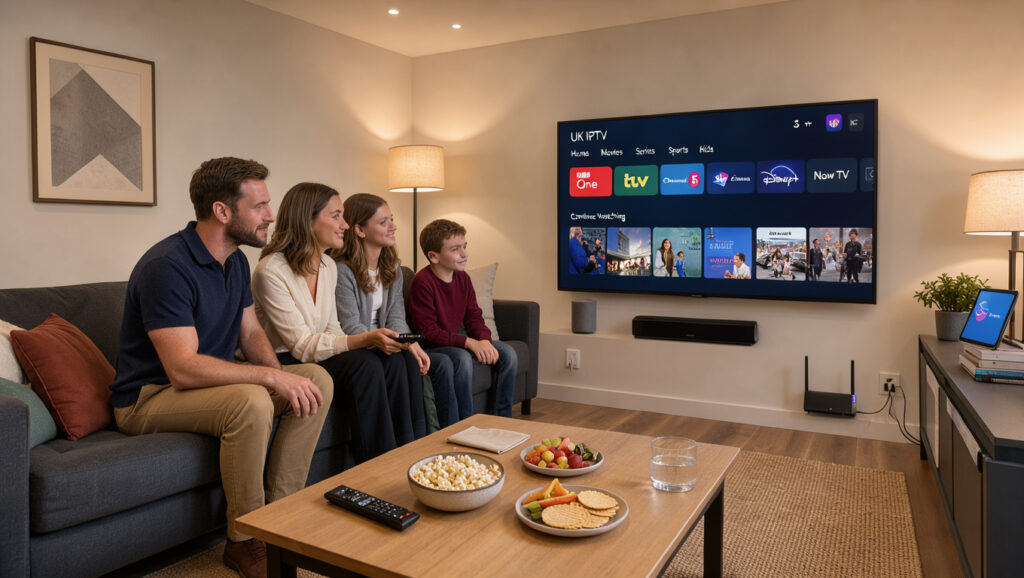
Today, internet protocol television (IPTV) is changing how you watch television content. Instead of relying only on cable or satellite, IPTV sends programmes through your internet connection. This modern service offers viewing choices for different preferences.
1. What internet protocol television means
At its core, internet protocol television uses the internet to stream television content. You can watch live broadcasts, on-demand shows and other media on your device. Unlike conventional television, it works on smart TVs, tablets and smartphones without specific hardware.
2. How live channels, video-on-demand and catch-up television differ
Knowing how live television streaming, video-on-demand and catch-up television differ helps you choose an IPTV service.
- Live television streaming: This allows you to watch programmes as they are broadcast in real-time.
- Video-on-demand: Here, you can choose from a library of content to watch whenever you want, giving you greater flexibility.
- Catch-up television: This feature enables you to watch programmes that have aired recently, typically available for a limited time after their original broadcast.
The electronic programme guide (EPG) helps you find available channels and schedules. It can make your viewing experience easier.
3. What to check before choosing a service
Before choosing an IPTV provider, assess several factors to make the right choice:
| Criteria | Importance | What to Look For |
|---|---|---|
| Device Compatibility | High | Ensure your devices are supported. |
| App Support | Medium | Check if the app is user-friendly and available on your devices. |
| Content Availability | High | Look for a wide range of channels and on-demand options. |
| Streaming Quality | High | Assess the quality of the streams and resolution options. |
| Customer Support | Medium | Verify the availability of support channels. |
Also check cancellation terms, privacy practices and licensing positions. These details can help you choose a reputable service.
2. Comparing United Kingdom IPTV Plans and Prices
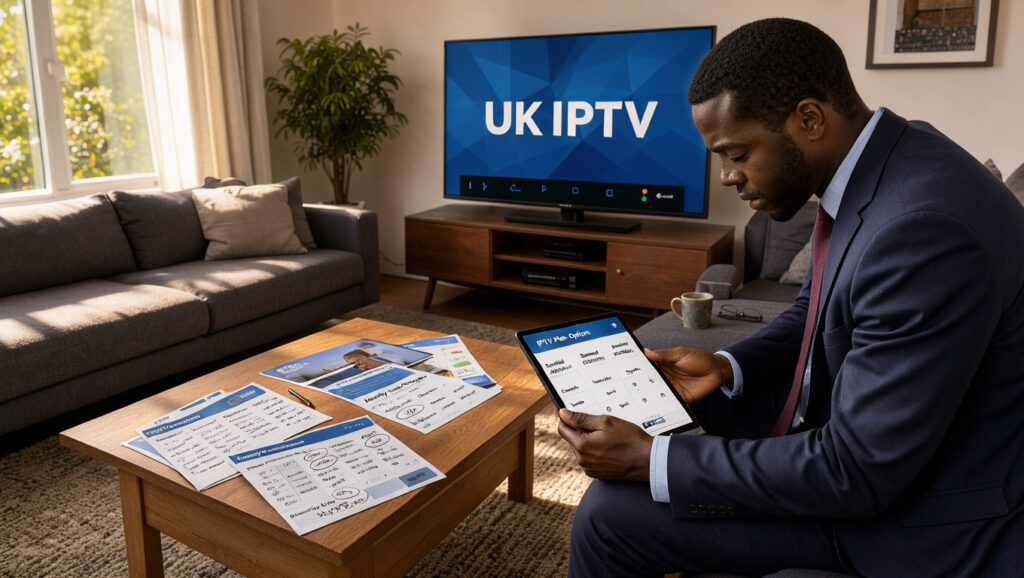
To choose well, analyse the prices and connection options in the UK IPTV market. Plans suit different households, from one connection to several simultaneous streams. Below, we compare plans by the number of connections.
1. Compare plans by the number of connections you need
First, work out how many connections you need. A connection usually means one permitted stream at a time, so you can watch on several devices. This matters most in homes with several viewers; choose based on real use, not only the cheapest option.
2. Review the supplied plan prices
| Connections | 1 Month | 3 Months | 6 Months | 12 Months |
|---|---|---|---|---|
| One connection | £13 | £25 plus 1 month free | £35 plus 2 months free | £60 plus 3 months free |
| Two connections | £19 | £35 plus 1 month free | £55 plus 2 months free | £75 plus 3 months free |
| Three connections | £25 | £50 plus 1 month free | £75 plus 2 months free | £99 plus 3 months free |
| Four connections | £30 | £65 plus 1 month free | £99 plus 2 months free | £130 plus 3 months free |
One connection
For one connection, one month costs £13. The three-month plan costs £25 and includes one month free. The 12-month plan costs £60 and includes three months free.
Two connections
For two connections, one month costs £19. The three-month plan costs £35 and includes one month free. The 12-month plan costs £75 and includes three months free.
Three connections
For three connections, one month costs £25. The 12-month plan offers the best value at £99, including three months free.
Four connections
For four connections, one month costs £30. The three-month plan costs £65 and includes one month free. The 12-month plan costs £130 and includes three months free.
3. Check the terms behind the advertised price
Check what each plan includes, such as video-on-demand services, an electronic programme guide, and catch-up content. Check whether HD or 4K playback works, plus any activation fees or refund policies. Review automatic renewal terms and understand the total cost before committing.
3. Choosing IPTV Apps for Your Devices
Choosing an IPTV app that suits your device ensures smooth entertainment. With many operating systems, match the app to your device. Android, iOS, Fire TV, and Smart TVs need suitable apps for better viewing.
1. Match the app to your operating system
Different devices need different IPTV apps. Android TV and Google TV users can choose apps that improve viewing. Apple users may prefer apps made for iOS.
Amazon Fire TV and Smart TVs from Samsung and LG also have compatible apps.
2. Compare popular player apps
When choosing an IPTV app, compare features in popular player apps. Look for an electronic programme guide (EPG), multi-language audio, and subtitles.
Favourites, search tools, and parental controls can improve usability. Check that it supports your login method: an activation code, M3U playlist, or Xtream-compatible login.
3. Look for useful playback and accessibility features
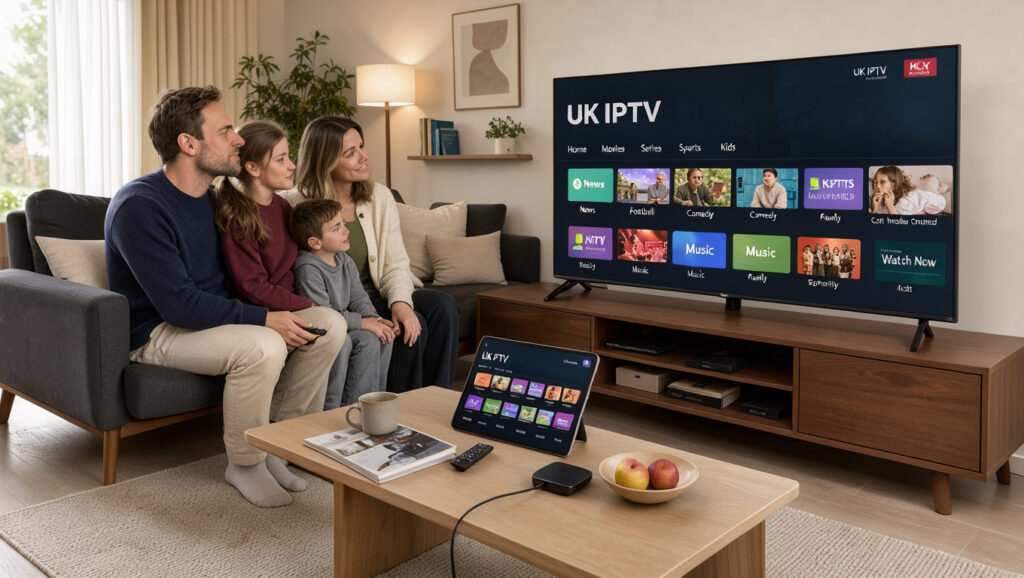
Playback features can greatly affect your streaming experience. Look for replay and recording support to make viewing more flexible. Also, consider accessibility features such as closed captions and clear navigation.
Always download apps from official stores to avoid risks from unofficial APK files or modified players. This protects your device and gives you the latest updates and features.
4. Checking IPTV Device Compatibility
Before subscribing, check that your devices support IPTV services. Learn which devices work well with IPTV before choosing a subscription. This section shows the checks needed for smooth streaming.
Use a compatible television or streaming device
First, check whether your television or streaming device supports IPTV services. Common choices include:
- Smart TVs
- Android TV boxes
- Amazon Fire TV
- Apple TV
- Smartphones and tablets
- Computers
These devices may have different requirements. For example, Smart TVs from one manufacturer may support different apps by model year. Check your exact model and its features before subscribing.
Confirm connection and hardware requirements
Next, check your device’s connection and hardware specifications. Consider the following:
| Device Type | Wi-Fi Capability | Ethernet Support | Available Storage | Processor Performance |
|---|---|---|---|---|
| Smart TV | Yes | Optional | 4GB+ | Quad-core |
| Android TV Box | Yes | Yes | 8GB+ | Quad-core |
| Amazon Fire TV | Yes | No | 4GB+ | Quad-core |
| Apple TV | Yes | No | 32GB+ | Quad-core |
Older hardware may struggle with high-resolution streams. A successful app installation does not guarantee smooth streaming. Check that your device can handle your chosen streaming quality.
Check compatibility before subscribing
Finally, check that your IPTV provider supports your specific device type. Also, confirm the allowed number of connections and read the setup instructions. A short trial or monthly plan can test compatibility without a long-term commitment.
“A good IPTV service should seamlessly integrate with your devices, enhancing your viewing experience.”
These steps can confirm your IPTV setup, helping you enjoy your favourite shows without interruptions. For more insights on the best IPTV providers, visit this guide.

5. Using IPTV on Smart TVs and Streaming Devices
Enjoying IPTV on your smart TV or streaming device takes only a few simple steps. Setup may seem daunting, but clear guidance helps you access a wide range of entertainment.
Set up a smart TV app
First, connect your smart TV to the internet. Open its official app store and search for a compatible IPTV player. Install the app and follow the prompts to enter your provider’s approved login or activation details. After loading the service, test live channels and explore the programme guide. This confirms that everything works correctly.
Stream through a connected device
To use a connected streaming device, connect it to your television with HDMI. Link it to your home network and install the latest software updates. Open the IPTV player app, enter your account details, and enjoy your favourite content.
Solve common playback and navigation issues
If playback problems occur, restart the app and your router. Check for app updates and test another channel to see whether the issue continues. Confirm that you entered the correct playlist details, and try Ethernet if your Wi-Fi is unstable.
If navigation is slow, remove unnecessary apps and clear the app cache. Check whether the device is overheating. Always use legitimate software, seek official support when needed, and never enter subscription credentials into unrelated apps or websites from unsolicited messages.
6. Understanding Streaming Quality and Broadband Needs
Streaming quality affects your viewing experience. Your choice of Standard Definition (SD), High Definition (HD), or 4K changes data use and viewing satisfaction. Each option has different broadband bandwidth requirements, so consider your package and household use.
1. Choose a suitable picture quality
Standard Definition uses less bandwidth than HD, while 4K needs a stronger, steadier connection. Check your television and broadband service before choosing a quality level. If several devices stream together, lower resolution can help prevent buffering.
2. Estimate your broadband bandwidth requirements
When estimating your broadband bandwidth requirements, check download speed, latency, and network congestion. A modern router can improve Wi-Fi, but its position also matters. Place it centrally to maximise signal strength across your home.
3. Reduce buffering and interruptions
Connect devices with Ethernet to reduce buffering and interruptions. This often gives a more stable connection than Wi-Fi. Limit background downloads and test streaming at different times.
If problems continue, lower resolution temporarily or contact your provider. Many internet streaming services use unicast delivery, unlike the multicast delivery used in some managed television environments. Therefore, your streaming service may not need multicast support.
7. Protecting Your Privacy and Security When Streaming
When you stream, make privacy a top priority. As digital content use grows, practical security measures become more important. They protect personal information and improve your streaming experience.
Secure your accounts and streaming devices
Start by creating a unique password for your streaming account. This can greatly reduce the risk of unauthorised access. Also enable multi-factor authentication when available, as it makes access harder for intruders.
Remember to keep your devices updated. Smart TVs, streaming sticks, routers and mobile devices need regular operating system and app updates. These updates often include security patches that protect against vulnerabilities.
Know when a VPN may be relevant
A Virtual Private Network (VPN) can improve privacy on untrusted networks. It encrypts your traffic and helps protect your data from threats. However, a VPN does not make unlicensed content legal or guarantee faster streaming speeds.
A VPN may also affect location-based access and app performance. Understand how it might interact with your chosen IPTV provider’s rules and regulations.
Check VPN, provider and payment policies
Before subscribing to a VPN, review its logging, jurisdiction, subscription, cancellation and data-sharing policies. This helps you choose a reputable service that suits your privacy needs. When choosing an IPTV provider, seek secure payment options from official app stores or reputable payment providers.
Be cautious of providers requesting unnecessary personal information, cryptocurrency-only payments or remote access to your device. These warning signs could show possible security risks.
For more information on safe streaming practices, check out the terms of service for your IPTV provider.
8. Weighing IPTV Benefits and Features
Understanding IPTV benefits and features helps you make an informed decision. IPTV can improve viewing through flexible options and on-demand access. These features suit different preferences and lifestyles.
1. Consider flexible viewing options
A key IPTV benefit is its flexibility. You can watch favourite shows on Smart TVs, tablets, and smartphones. Many IPTV services offer catch-up viewing, so you can watch missed episodes when convenient.
2. Assess everyday convenience
IPTV adds everyday convenience at your fingertips. An electronic programme guide helps you browse channels and discover new content. You can create a favourites list, keeping your most-watched shows one click away. This simple design suits households with different viewing preferences.
3. Balance benefits against possible limitations
IPTV benefits are appealing, but you should also consider possible limits. Service quality can vary between providers, channel availability may change, and some apps may be poorly designed. Research providers for reliability, legal status, app performance, customer service, and privacy protections.
“A large channel list is not necessarily a sign of quality.”
Considering benefits and drawbacks helps you choose an IPTV service with confidence. Features matter, but their performance in practice matters too.
9. Checking UK Legality, Licensing and Service Reliability
Understanding IPTV legality in the UK helps you enjoy safer viewing. IPTV technology is not illegal, but providers need permission to distribute their channels, programmes, films and sports in your area.
Choose providers with clear business details, terms and conditions, privacy information, lawful payment options and responsive support. Treat offers of every premium channel and live sports event at an unusually low price as red flags. Be cautious if sellers lack verifiable company information or request unknown software.
Distinguish IPTV Technology from Content Licensing
IPTV delivers content, but it does not prove that content has a legal licence. Check that the provider has suitable licensing agreements, and stop using the service if you suspect unauthorised distribution.
Look for Signs of a Legitimate Provider
When judging an IPTV provider, look for these signs of legitimacy:
- Transparent business information, including a physical address and contact details.
- Clear terms and conditions that outline the service offered.
- Positive customer reviews and responsive support channels.
Understand the UK Regulatory Context
The UK’s broadcasting and communications framework follows Ofcom broadcasting regulations. Ofcom does not endorse every IPTV service, but it oversees rules that providers must follow. These rules include licensing arrangements with rights holders and other authorities, so learning them can help you choose wisely.
| Criteria | Legitimate Provider | Suspicious Provider |
|---|---|---|
| Business Transparency | Clear contact details and physical address | No verifiable company information |
| Customer Support | Responsive and helpful | Difficult to contact or unresponsive |
| Pricing | Realistic and competitive | Unusually low prices with unrealistic offers |
For more insight into IPTV legality, read this comprehensive guide. Understanding the refund policy of your chosen provider can also help protect you.
10. Setting Up and Choosing the Right IPTV Plan
Choosing the right IPTV plan means considering your household’s needs and preferences. A clear checklist helps you compare the available options. Use it to guide your setup and final choice.
Follow a simple setup checklist
Start by counting the people and devices that may stream at the same time. This shows how many connections you need. Here is a breakdown of the costs:
| Connections | 1 Month | 3 Months | 6 Months | 12 Months |
|---|---|---|---|---|
| 1 | £13 | £25 (1 month free) | £35 (2 months free) | £60 (3 months free) |
| 2 | £19 | £35 | £55 | £75 |
| 3 | £25 | £50 | £75 | £99 |
| 4 | £30 | £65 | £99 | £130 |
After choosing the number of connections, check device and IPTV app compatibility. Make sure your broadband supports your preferred streaming quality. Review the channels, programme-guide features, support, privacy terms, and licensing agreements.
Select a plan for your household
Use your checklist to choose a plan that suits your household’s needs. If compatibility or reliability is uncertain, start with a one-month plan. You can test the service without a long-term commitment.
Test performance before committing long term
Install the approved app and enter your credentials. Test live and on-demand playback on every intended device. Check the picture quality to ensure the service meets your expectations.
Choose a longer commitment only after consistent performance. Before renewing, understand the renewal, cancellation, and refund conditions. For more insights on IPTV services, read this detailed guide.
Conclusion
Choosing the right IPTV service in the United Kingdom involves more than finding the lowest price. Consider several factors for a satisfactory viewing experience. Match household connections to your needs; confirm the IPTV app suits your device; and check Smart TV or streaming device support.
Assess broadband performance, as it directly affects streaming quality. Buffering can arise from Wi-Fi problems, network congestion, device limits, or provider capacity. Monthly plans let you test service without commitment; longer plans offer promotional rates but require a reliable provider.
For privacy, a VPN can improve security but cannot make unlicensed content legal. IPTV technology itself is lawful when used to access properly licensed content. For further insights on IPTV services, explore resources such as this comprehensive guide.
Test the service on your intended devices. Use official apps, protect account details, and cancel if the provider fails on performance, terms, or licensing.
FAQ
What is United Kingdom IPTV?
United Kingdom IPTV, or Internet Protocol Television, delivers television content through an internet connection. It offers flexible viewing, with live channels, video-on-demand services, and catch-up television on various devices.
How do I choose the right IPTV plan?
When selecting an IPTV plan, consider how many connections you need for simultaneous streaming. Review pricing, which may include promotional free months for longer commitments. Ensure the plan suits your household’s viewing habits and devices.
What devices are compatible with IPTV?
IPTV services work with Smart TVs, Android TV boxes, Amazon Fire TV, Apple TV, smartphones, tablets, and computers. Before subscribing, check that the specific app supports your device’s operating system.
What are the broadband bandwidth requirements for IPTV?
IPTV broadband requirements depend on your chosen picture quality. Standard Definition (SD) usually needs less bandwidth than High Definition (HD) or 4K. Use a stable connection that supports all simultaneous streams in your household.
Can I use a VPN with IPTV services?
Yes, a VPN can improve your privacy when streaming IPTV content, especially on untrusted networks. However, it cannot legalise unlicensed content or guarantee faster streaming. Check the VPN’s policies on logging and data sharing.
How do I troubleshoot common IPTV issues?
Restarting the app or router, checking for updates, and confirming a stable internet connection can solve common IPTV issues. If buffering occurs, try an Ethernet connection, reduce active devices, or temporarily lower stream quality.
Is IPTV legal in the United Kingdom?
IPTV technology itself is legal, but content legality depends on whether the provider holds appropriate licensing rights. Check the provider’s legitimacy and seek clear information about licensing and content offerings.
What features should I look for in an IPTV app?
When choosing an IPTV app, look for an electronic programme guide, multiple languages, subtitles, and parental controls. Choose an app that is easy to navigate and works with your device. Download it from an official source to avoid security risks.
What should I do if my IPTV service is not performing well?
If your IPTV service performs poorly, first check your internet connection and bandwidth. Restart your devices and the app, then test the service on different devices. If problems continue, contact your provider or consider a more reliable service.